
EUREKA DAY :: Online Lobby
Welcome to the Eureka Day Online Lobby experience! Information will continue to be added throughout the run.
QUICK LINKS
ONLINE DISCUSSIONS | PANDEMIC TIMELINE | MUMPS VACCINE STORY
BRIEF HISTORY OF VACCINES | LILI-ANNE BROWN INTERVIEW
LOBBY PILLARS | RECOMMENDED READING | GET INVOLVED

Join for FREE from the comfort of your home! You’re invited to enjoy two upcoming online/virtual discussions exploring behind-the-scenes and the various themes of Eureka Day. Each conversation will last approximately one hour. FREE reservations are required; only those who register will receive the Zoom details to attend.
• • •
VIRTUAL DISCUSSION WITH THE CAST
Sunday, February 1 at 11AM
Director Lili-Anne Brown joins the entire cast—Aurora Adachi-Winter, Jürgen Hooper, Rebekah Ward, PJ Powers, Gabrielle Lott-Rogers, and Caroline Chu—for a chat about their experience bringing Eureka Day to the stage.
• • •
VIRTUAL SUNDAY SCHOLARS PANEL DISCUSSION
Sunday, February 15 at 6PM
This panel discussion features Adia Benton, associate professor of Anthropology and African Studies at Northwestern University; Adam Davis, executive director of Oregon Humanities and former director of the Center for Civic Reflection; and Eureka Day assistant dramaturg Grace Herman, in a conversation moderated by TimeLine Associate Artistic Director Nick Bowling.

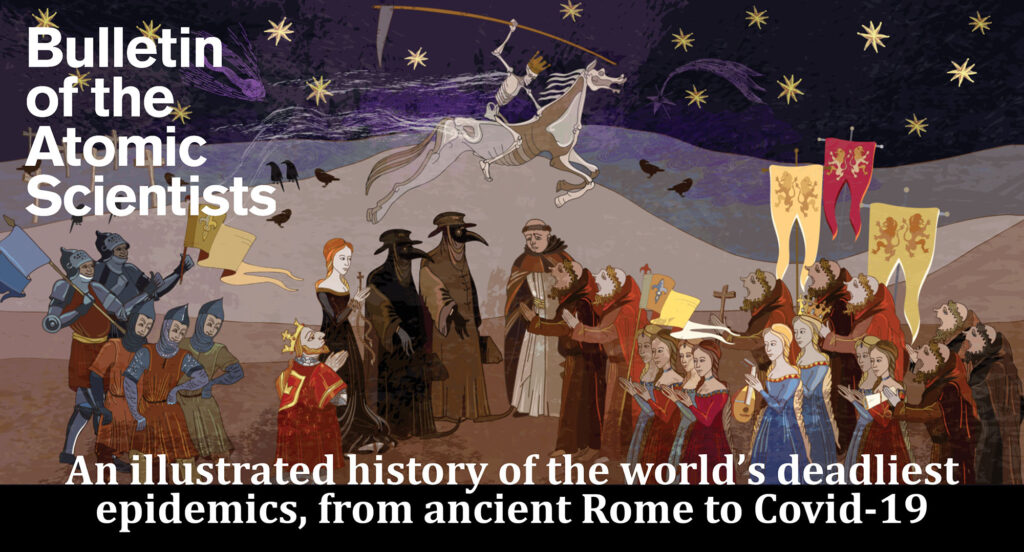
Explore this illustrated timeline of deadly epidemics across history, as published by the Bulletin of Atomic Scientists, compiled by Erik English.
The history of human civilization is riddled with grizzly stories of epidemics, many with wide ranges of uncertainty around the true toll of their devastation. Unfortunately, the only certainty is that more pandemics are coming.

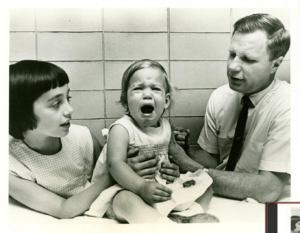 In 1963, Dr. Maurice Hilleman was woken up by his daughter Jeryl Lynn, who was sick with the mumps. Over the next few years, he would isolate the Jeryl Lynn strain from his sick daughter and develop the first effective live, attenuated mumps vaccine. It was licensed as Mumpsvax in 1967, and before the Covid-19 vaccine, had been known as the fastest vaccine development in history.
An article published by Gavi: The Vaccine Alliance, tells the story.
Pictured: A 1966 photograph that accompanied Merck’s press release about the successful vaccine Mumpsvax depicted Jeryl Lynn comforting the crying Kirsten as the younger girl received her vaccination with the Jeryl Lynn Strain from Dr. Robert Weibel. Credit: The National Museum of American History

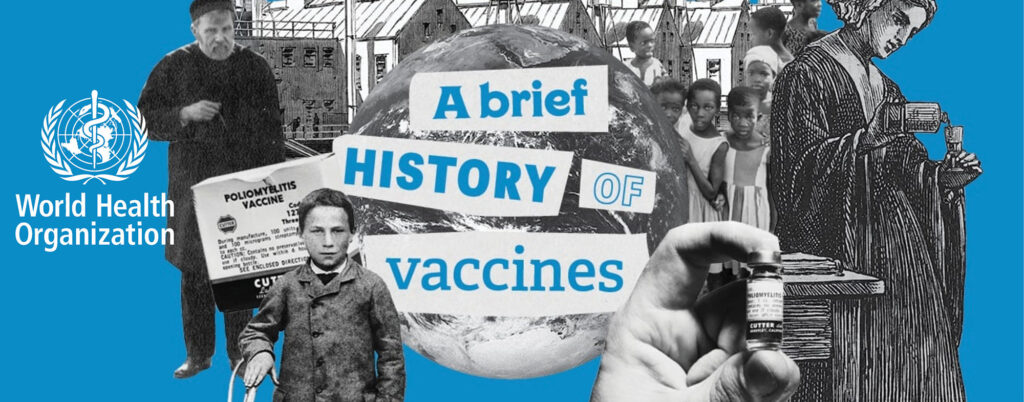
Explore an illustrated timeline of the development of vaccines, as published by the World Health Organization.

During pre-production for TimeLine’s Chicago premiere production of Eureka Day, director Lili-Anne Brown spoke with dramaturgs DeRon S. Williams and Grace Herman about humor, community, and the choreography of a punchline.

Want to spend more time perusing TimeLine’s lobby exhibit, or can’t make it to Broadway In Chicago’s Broadway Playhouse to see it in person? Here’s a look at the info currently wrapping the giant pillars in the Playhouse lobby (click on each image to access a PDF for closer viewing).
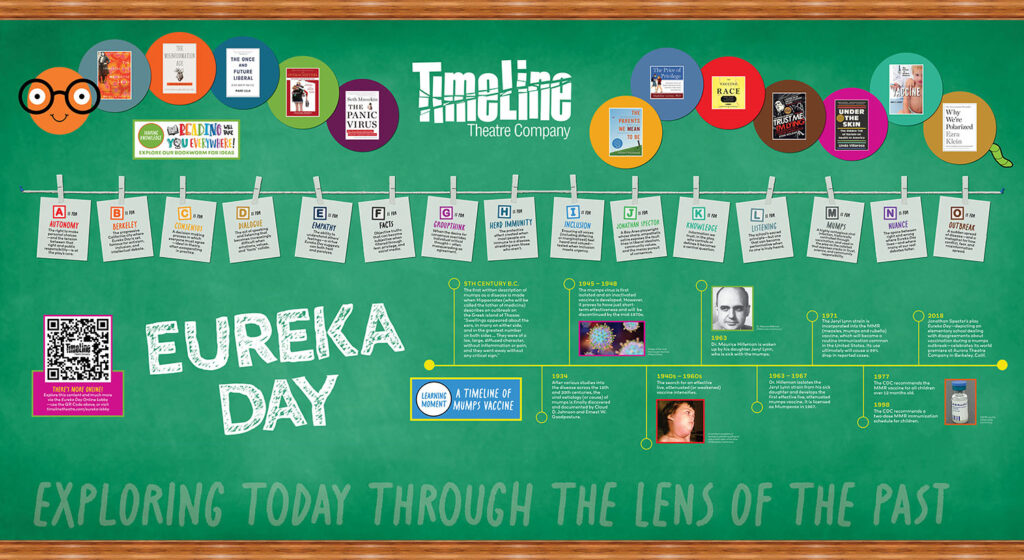
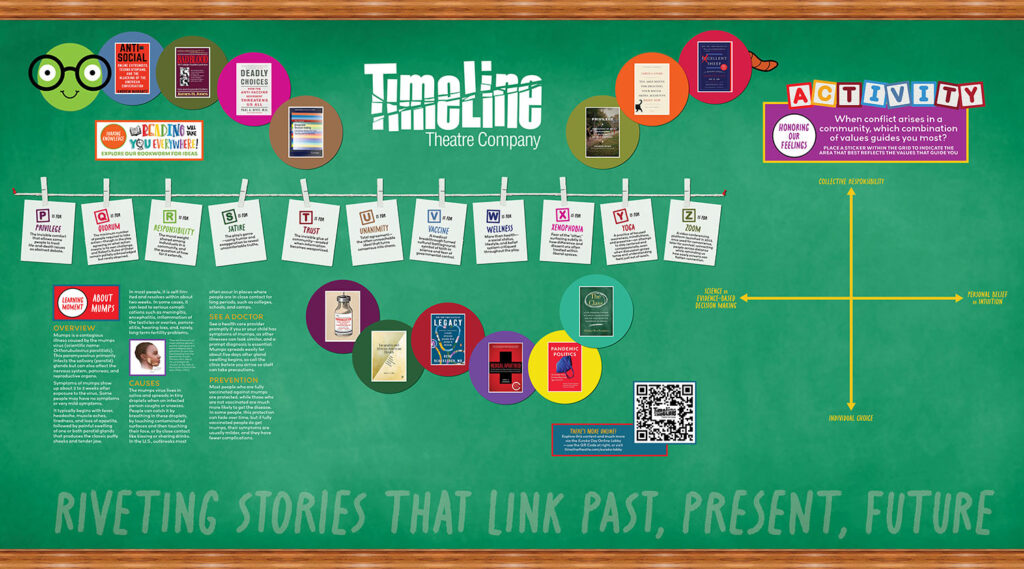
Eureka Day Lobby Display credits:
Dramaturgy and research by DeRon S. Williams and Grace Herman; editing and graphic design by Lara Goetsch; additional support by Nick Bowling.

Dramaturgs DeRon S. Williams and Grace Herman have compiled a list of suggested books to explore many of the topics and themes in Eureka Day. They appear on the lobby pillars above on the “bookworms,” but below is the list with additional information.
If you’d like to purchase any of the books, we recommend bookshop.org, which works to connect readers with independent booksellers all over the world. Every purchase on the site financially supports independent bookstores.
• • •
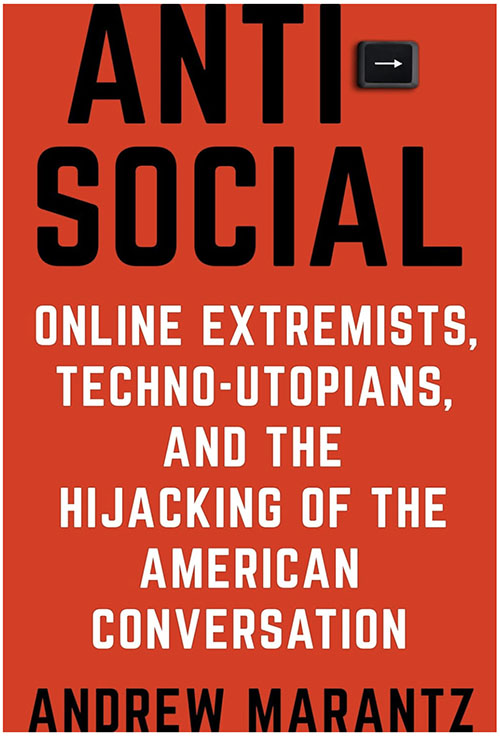
Antisocial: Online Extremists, Techno-Utopians, and the Hijacking of the American Conversation by Andrew Marantz
From a rising star at The New Yorker, a deeply immersive chronicle of how the optimistic entrepreneurs of Silicon Valley set out to create a free and democratic internet–and how the cynical propagandists of the alt-right exploited that freedom to propel the extreme into the mainstream.
• • •
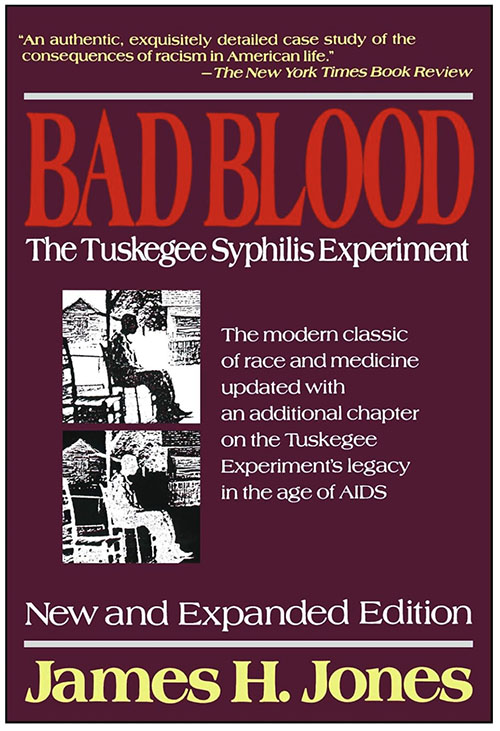
Bad Blood: The Tuskegee Syphilis Experiment by James H. Jones
From 1932 to 1972, the United States Public Health Service conducted a non-therapeutic experiment involving over 400 Black male sharecroppers infected with syphilis. Bad Blood traces the evolution of medical ethics and the nature of decision-making in bureaucracies, showing that the Tuskegee Study was not, in fact, an aberration, but a logical outgrowth of race relations and medical practice in the United States
• • •
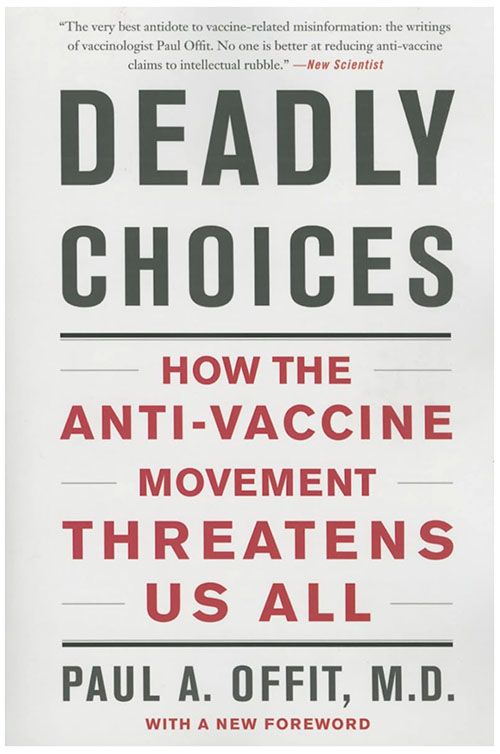
Deadly Choices: How the Anti-Vaccine Movement Threatens Us All by Paul Offit
In Deadly Choices, infectious-disease expert Offit takes a look behind the curtain of the anti-vaccine movement. What he finds is a reminder of the power of scientific knowledge, and the harm we risk if we ignore it.
• • •
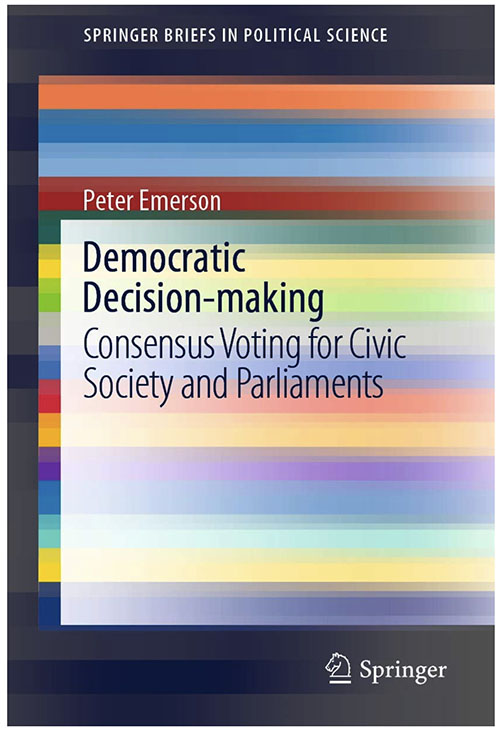
Democratic Decision-Making: Consensus Voting for Civic Society and Parliaments (SpringerBriefs in Political Science) — Peter Emerson
Emerson’s book provides a practical guide to democratic decision-making, compares voting procedures used in collective decision-making, and highlights the advantages of a preferential points system of voting.
• • •
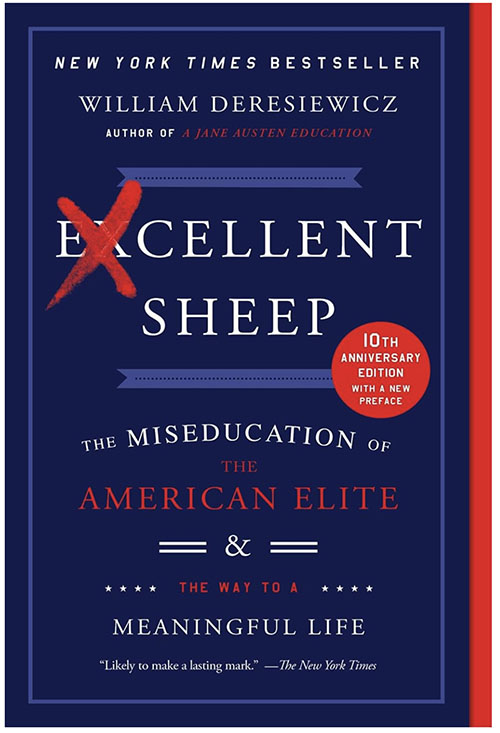
Excellent Sheep: The Miseducation of the American Elite and the Way to a Meaningful Life by William Deresiewicz
Excellent Sheep is a withering analysis of the transactional spirit that rules American education and American life, and an inspiring example of a better ideal.
• • •
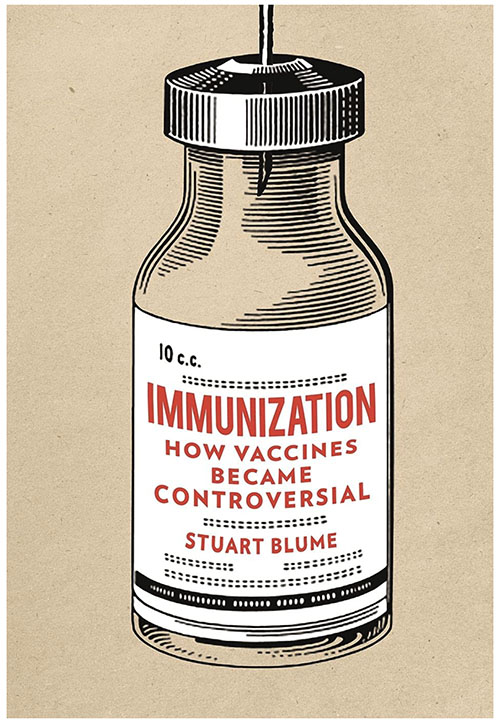
Immunization: How Vaccines Became Controversial by Stuart Blume
As the world pins its hope for the end of the coronavirus pandemic to the successful rollout of vaccines, this book offers a vital long view of such efforts—and our resistance to them.
• • •
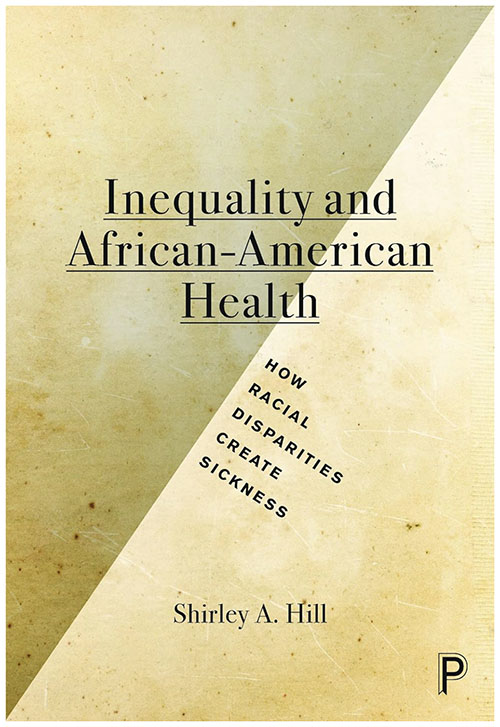
Inequality and African-American Health: How Racial Disparities Create Sickness by Shirley A. Hill
This book shows how living in a highly racialized society affects health through multiple social contexts, including neighborhoods, personal and family relationships, and the medical system.
• • •
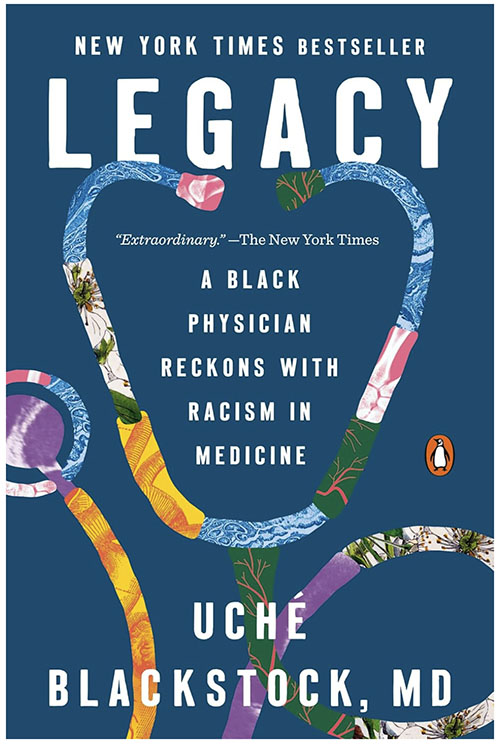
Legacy: A Black Physician Reckons with Racism in Medicine by Uché Blackstock
The rousing, captivating story of a Black physician, her career in medicine, and the deep inequities that still exist in the U.S. healthcare system.
• • •
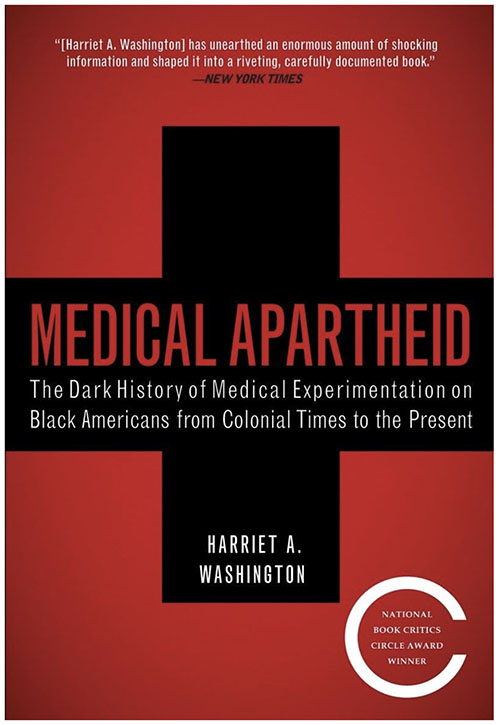
Medical Apartheid: The Dark History of Medical Experimentation on Black Americans from Colonial Times to the Present by Harriet A. Washington
The first full history of Black America’s mistreatment as unwilling and unwitting experimental subjects at the hands of the medical establishment—a tradition that continues today within some Black populations.
• • •
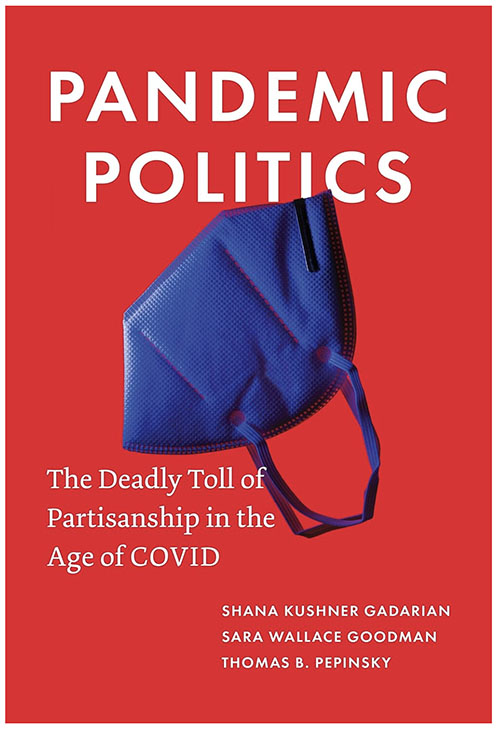
Pandemic Politics by Shana Kushner Gadarian et al.
How the politicization of the COVID-19 pandemic endangers our lives―and our democracy.
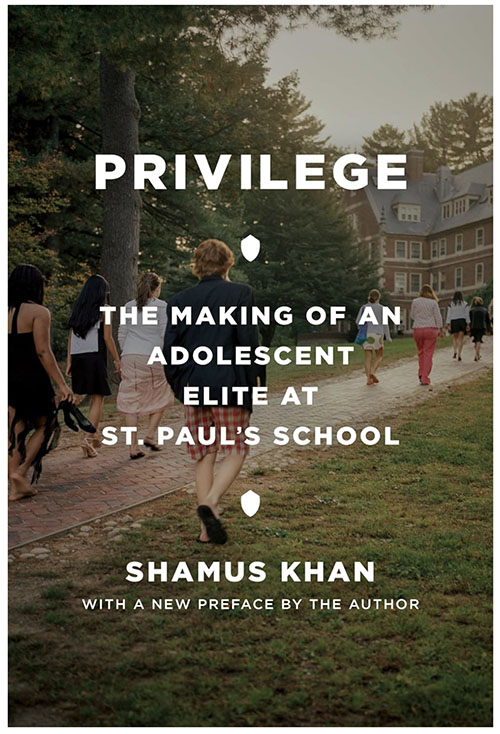
Privilege: The Making of an Adolescent Elite at St. Paul’s School by Shamus Rahman Khan
A sociological study of how America’s elite private schools continue to produce a ruling class, even as society becomes more diverse.
• • •
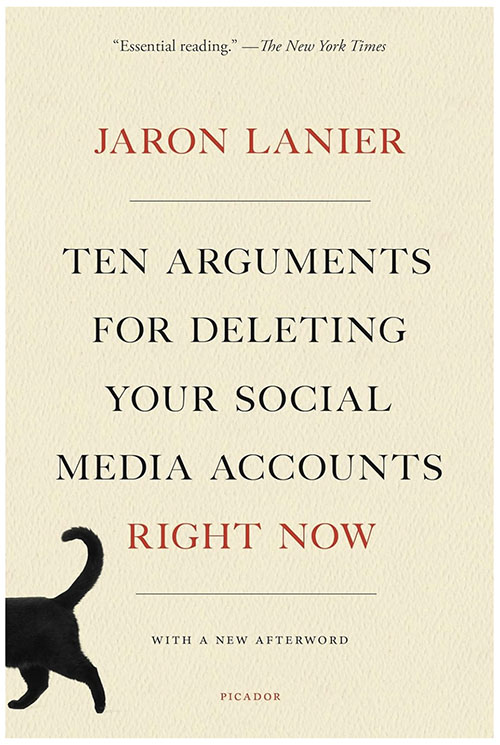
Ten Arguments for Deleting Your Social Media Right Now by Jaron Lanier
Lanier offers powerful arguments for why we must free ourselves from social media’s poisonous grip—pointing out its tendency to bring out the worst in us, to make politics terrifying, to trick us with illusions of popularity and success, to twist our relationship with the truth, to disconnect us from other people even as we are more “connected” than ever, to rob us of our free will with relentless targeted ads.
• • •
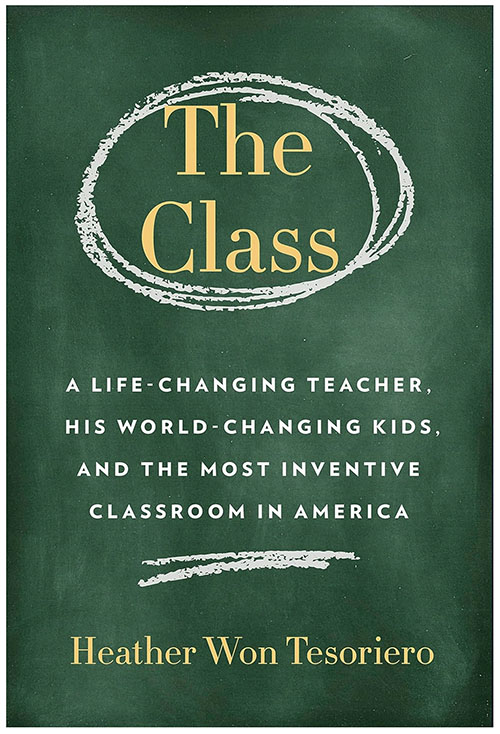
The Class: A Life-Changing Teacher, His World-Changing Kids, and the Most Inventive Classroom in America by Heather Won Tesoriero
An unforgettable year in the life of a visionary high school science teacher and his award-winning students, as they try to get into college, land a date for the prom … and possibly change the world
• • •
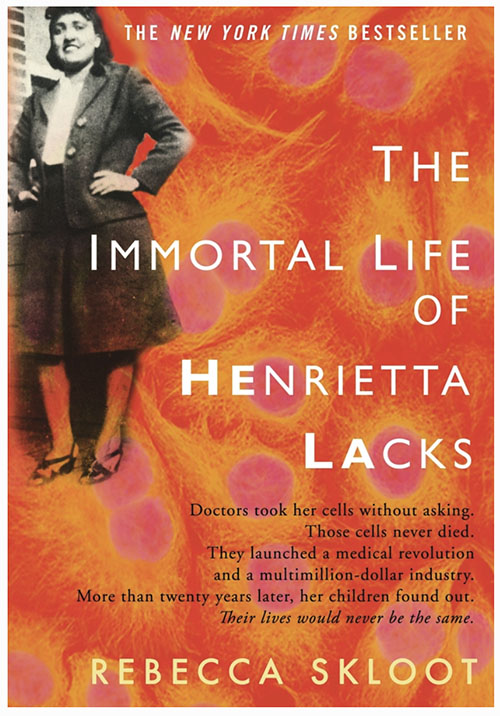
The Immortal Life of Henrietta Lacks by Rebecca Skloot
Skloot tells the story of Henrietta Lacks, an African-American woman whose cancer cells (HeLa) were taken without her consent in 1951, becoming the first “immortal” human cells for medical research, while exploring the profound ethical questions about race, consent, and privacy that arose from her unwitting contribution to science.
• • •
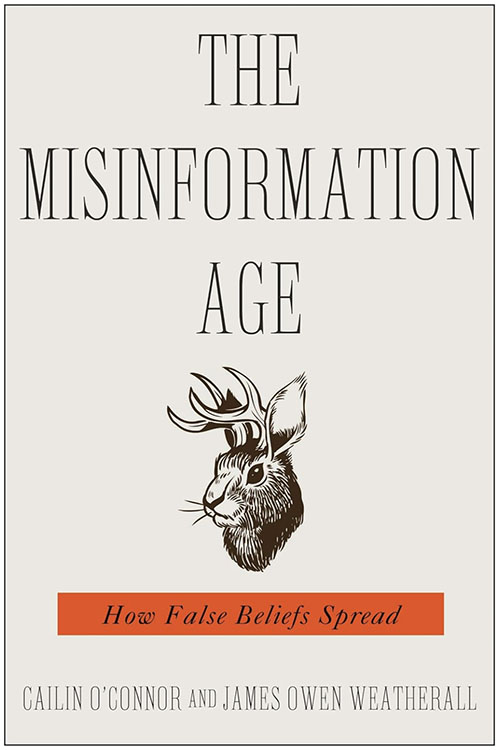
The Misinformation Age: How False Beliefs Spread by Cailin O’Connor and James Weatherall
Philosophers of science O’Connor and Weatherall argue that social factors, rather than individual psychology, are what’s essential to understanding the spread and persistence of false beliefs. It might seem that there’s an obvious reason that true beliefs matter: false beliefs will hurt you. But if that’s right, then why is it (apparently) irrelevant to many people whether they believe true things or not?
• • •
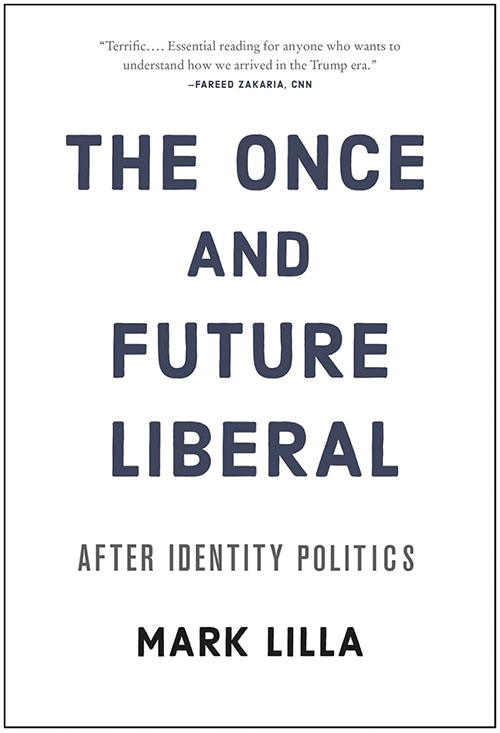
The Once and Future Liberal: After Identity Politics – A Fiercely Argued Vision for Persuading All Citizens and the Common Good by Mark Lilla
From one of the most internationally admired political thinkers, a controversial polemic on the failures of identity politics and what comes next for the left—in America and beyond.
• • •
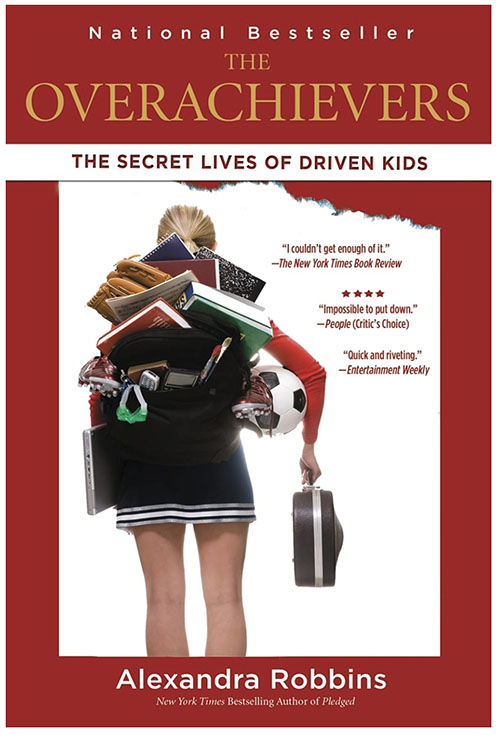
The Overachievers: The Secret Lives of Driven Kids by Alexandra Robbins
Robbins followed five high school students as they navigated the United States’ high-stakes educational culture, pointing to the ways it has spiraled out of control.
• • •
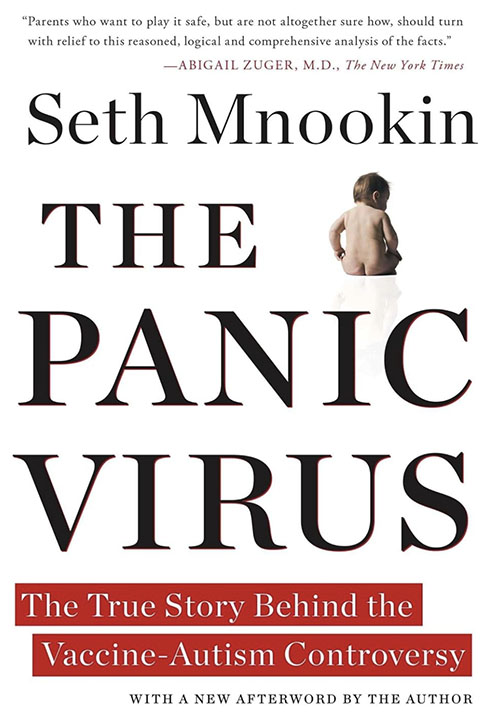
The Panic Virus: The True Story Behind the Vaccine-Autism Controversy by Seth Mnookin
The Panic Virus is a riveting and sometimes heartbreaking medical detective story that explores the limits of rational thought. It is the ultimate cautionary tale for our time.
• • •
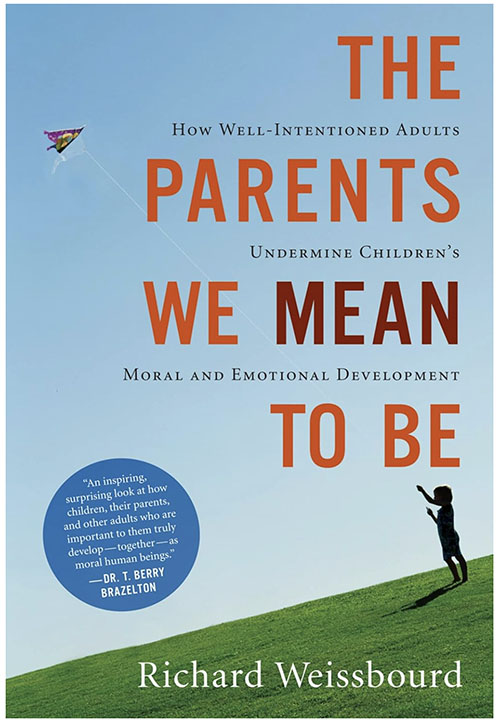
The Parents We Mean to Be: How Well-Intentioned Adults Undermine Children’s Moral and Emotional Development by Richard Weissbourd
Harvard psychologist Weissbourd argues incisively that parents—not peers, not television—are the primary shapers of their children’s moral lives. And yet, it is parents’ lack of self-awareness and confused priorities that are dangerously undermining children’s development.
• • •
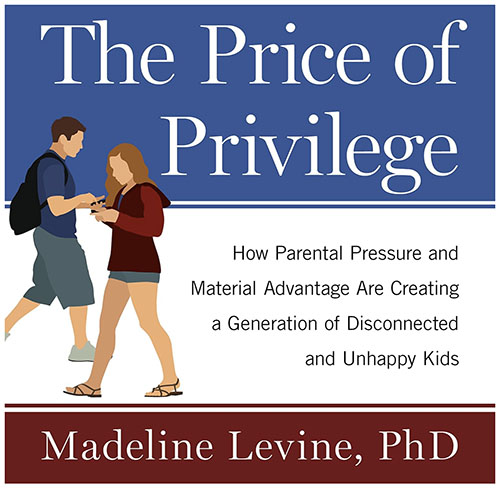
The Price of Privilege: How Parental Pressure and Material Advantage Are Creating a Generation of Disconnected and Unhappy Kids by Madeline Levine
In this ground-breaking book on the children of affluence, a well-known clinical psychologist exposes the epidemic of emotional problems that are disabling America’s privileged youth, thanks, in large part, to normalized, intrusive parenting that stunts the crucial development of the self.
• • •
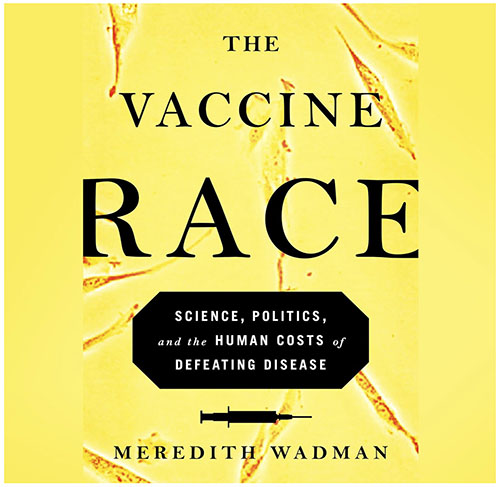
The Vaccine Race: Science, Politics, and the Human Costs of Defeating Disease by Meredith Wadman
The epic and controversial story of a major breakthrough in cell biology that led to the conquest of rubella and other devastating diseases.
• • •
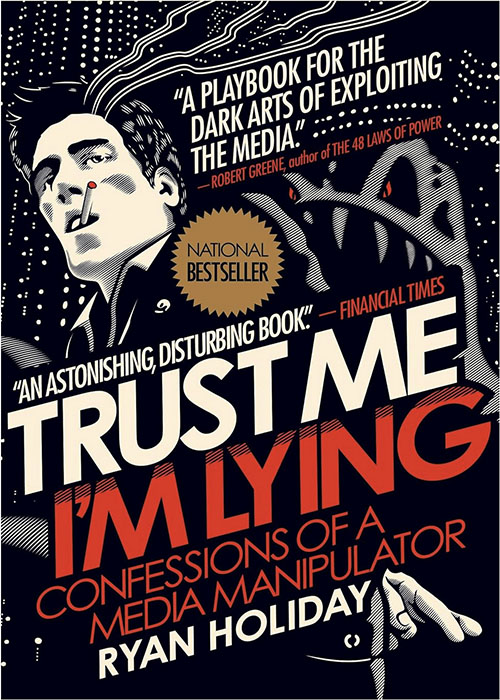
Trust Me, I’m Lying: Confessions of a Media Manipulator by Ryan Holiday
Whenever you see a malicious online rumor costing a company millions, politically motivated fake news driving elections, a product or celebrity zooming from total obscurity to viral sensation, or anonymously sourced articles becoming national conversation, someone is behind it. Often, someone like Holiday. In his book, Holiday pulls back the curtain on this media manipulation, astonishing and disturbing readers.
• • •
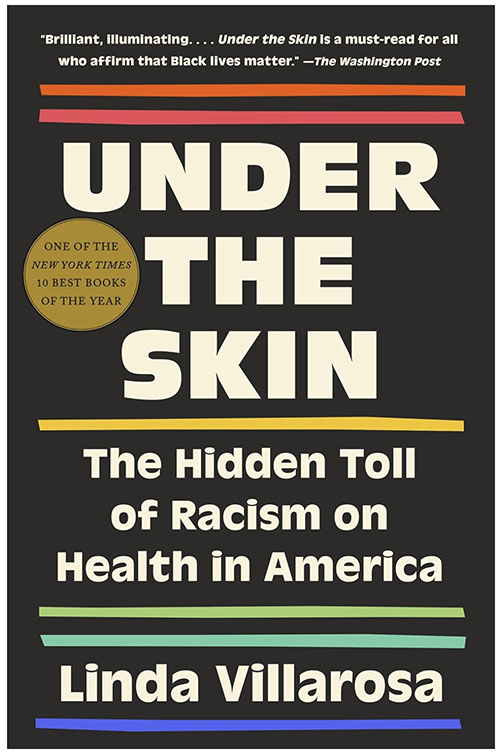
Under the Skin: The Hidden Toll of Racism on American Lives and on the Health of Our Nation by Linda Villarosa
From an award-winning writer at The New York Times Magazine and a contributor to the 1619 Project comes a landmark book that tells the full story of racial health disparities in America, revealing the toll racism takes on individuals and the health of our nation.
• • •
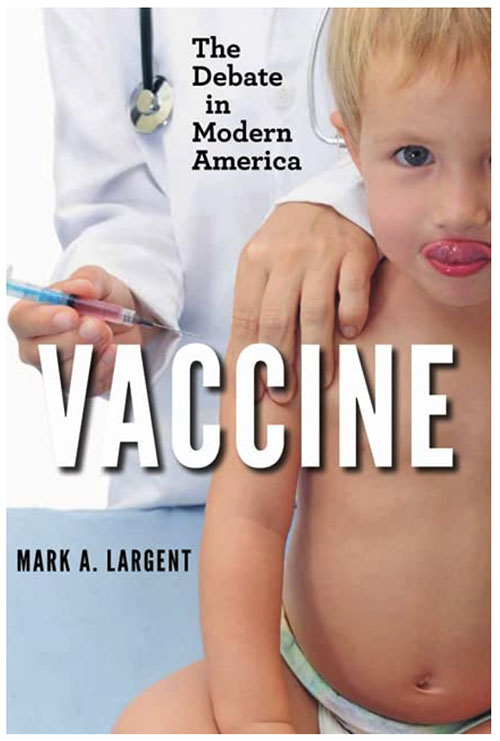
Vaccine: The Debate in Modern America by Mark Largent
A thoughtful evaluation of the vaccine debate, its history, and its consequences.
• • •
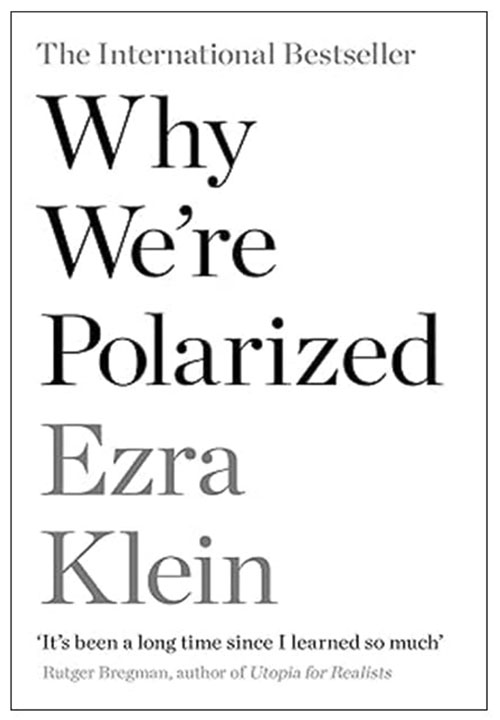
Why We’re Polarized by Ezra Klein
Journalist Klein shows us that America’s political system isn’t broken. The truth is scarier: it’s working exactly as designed. Klein reveals the structural and psychological forces behind America’s descent into division and dysfunction. Neither a polemic nor a lament, this book offers a clear framework for understanding everything from Trump’s rise to the Democratic Party’s leftward shift to the politicization of everyday culture.

Eureka Day can seem like a cautionary tale, discouraging you from getting involved in any local decision-making. Yet, it is also a picture of passionate people trying to use their voices to better their community. In the play, things get a little messy, but this doesn’t discount the importance of this effort, especially right now. Here are some resources for how to get involved with local decision-making:
Attend City Council or City Board Meetings
- City of Chicago Board Meeting Information
- Visiting Chicago? Find contact information for your local government.
Get involved with your local school system
- Chicago Board of Education
- Join your Local School Council (LSC)
- Join Family and Community Engagement (FACE) groups
- Join the Parent-Teacher Association (PTA)
Participate in online forums for civic engagement
- Change.org is a great resource