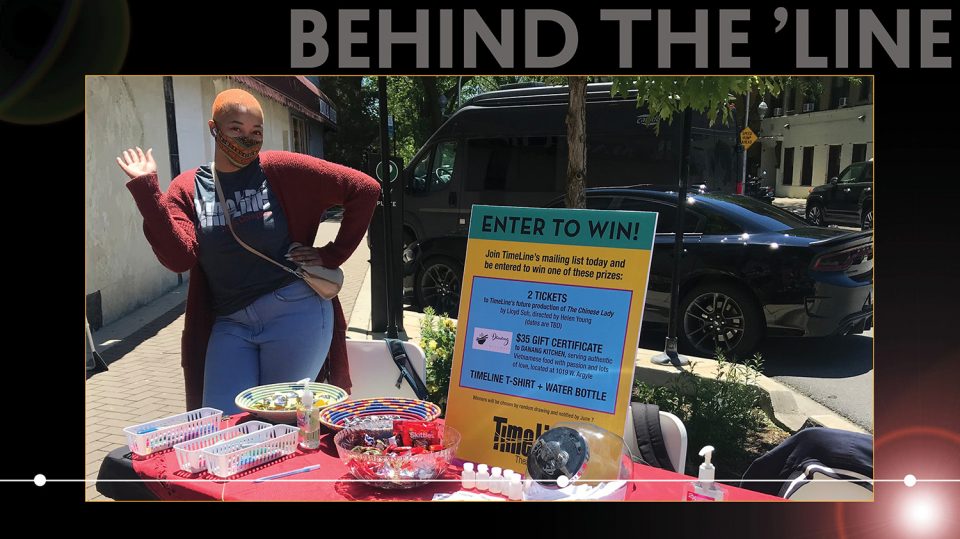
...managed many fine Chicago restaurants. The floor was taped to mark where walls and doors and audience seating will be, and we had tables full of baskets and wine glasses...
Today marks the opening of TimeLine’s 50th production! I must say, this milestone is a bit astonishing. In many ways, it seems like just yesterday the six of us who...
...mark, which he found on the neck on an engraved brass plate. It said “I and I Erat” and Berners Street London with a No. 1854. With that info, he...
...will come and see When She Danced and allow yourself to create your own story. Mark Kijek is a 2nd-year Theatre Management student at The Theatre School at DePaul University....
...You know how sometimes in rehearsal a director will mark out beats in a scene and name them? That’s my purpose here: to find the essence of a scene, and...
...of the first computer programmers for the Mark I computer (Hopper is commonly attributed with inventing the term “computer bug,” after a moth flew into one of the computers). In...
...with Ashley Clark from the Polly Ulrich Art for Joy program. Audience members were encouraged to add their mark to the canvas, drawing inspiration from others who had painted before...
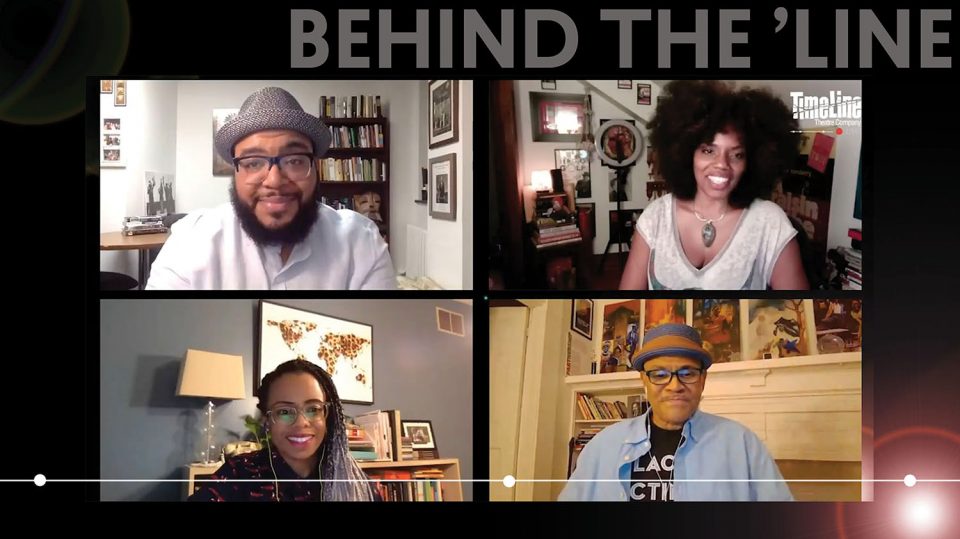
...all to see. Jenny Lynn Christoffersen, Marketing and Communications Associate and one of the technology wizards at TimeLine, ran it all. While we couldn’t convene in person, a lot of...
...While applying this work to a building is new, the work of community connection has a long history at TimeLine. Our artists, dramaturgs, and marketing plans have always focused not...
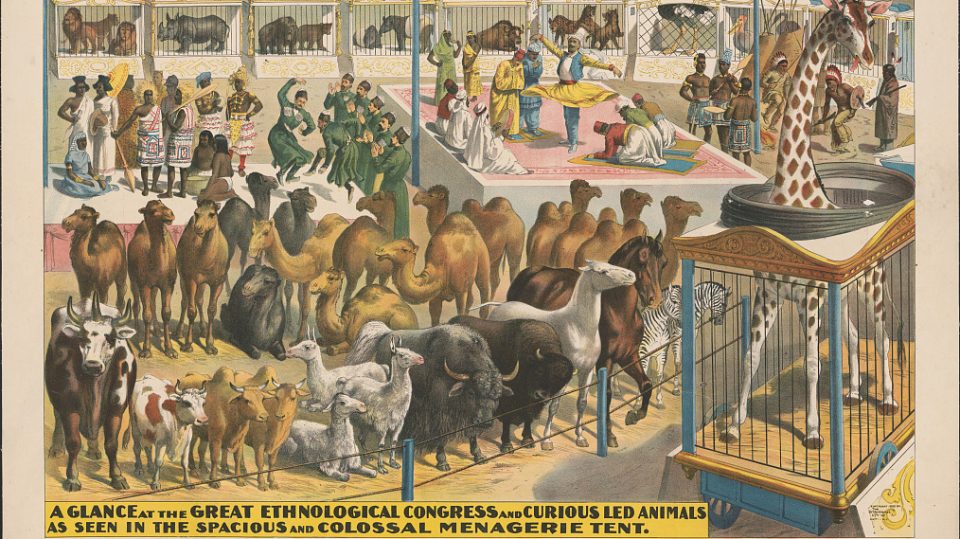
...most people exhibited in American freak shows were either non-White (“exotics”), disabled (“monsters”), or both. By labeling these people as “freak,” the American sideshow marked them as less than human...